
Author:
Green Steps
Short summary:
We review the past two editions of the Homegrown course, a manual to practice Place-Based Education.

At Green Steps, every season offers a new learning opportunity. This spring, we have started a new session of our “Homegrown” course, a manual to practice Place-Based Education. This is the second edition that we carry out this year, since we had previously organised another edition this past winter. The main difference now is that the latest one is being presented in a mixed format, with our ESC volunteers taking part in person, meanwhile some of our short-term volunteers for this summer are doing so remotely. This variety in format and participants, all of them coming from different countries, contibutes to a unique and intercultural space, ideal for sharing ideas and creating discussions.
The course is organized in a series of 10 modules which are scheduled over 6-8 weeks, although it is easily adaptable to a tighter schedule if necessary. Despite a considerable amount of the time for the course being dedicated to theoretical concepts, the format includes several practical activities to be presented, as well as a series of assignments for each session of the course. It is also be important to mention that one of the sessions consists of a visit to a local Natural History Museum, an ideal moment to put in practice some of the concepts that have been mentioned throughout the course.
.png)
During the first sessions of the course, we learn about relevant topics regarding education, such us the different systems used, the current situation in the schools or the problems that teachers are facing. On a personal note, it is highly fascinating to be made aware of the fact that people that have grown up in areas located far away from each other have experienced similar problems during their educational years.
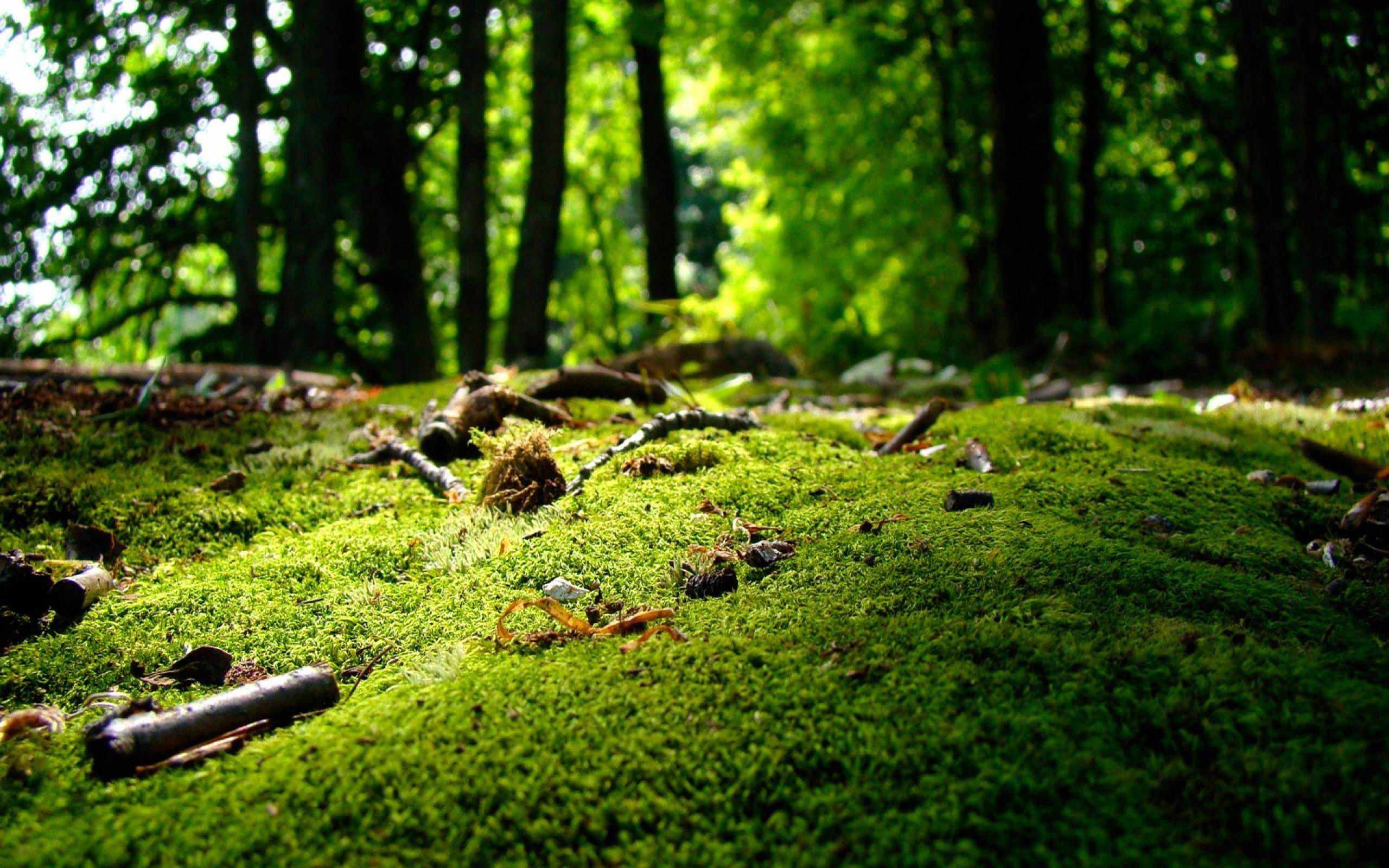
One of the main issues regarding education that are explained throughout the course is the excessive amount of time that students spend indoors, either in their classrooms or at their houses, and the lack of connection with nature and the engagement in puroseful activities as a direct consequence of that time spent indoors following standardized curricula or school books. This idea sets the tone for the rest of the course: there is a problem that needs to be solved, and the solution is Place-Based Learning implemented through the Montessori Method.
.png)
In the last sessions of the course, the participants are required to design both a Practical Life activity and a Sensorial activity using the Montessori method and creating a best practice for them in the ARK. Regarding the Practical Life Activity, the participants of our current edition of the course have designed some of them focused on teaching the children how to wash their hands properly, how to spell their names using elements easily found in nature or how to dye a T-shirt with natural pigmentation. Overall, a very productive outcome that can be easily put in practice from the Best Practice section of the ARK. As for the Sensorial Activity, the past edition participants, including me, came up with different ideas where the children could learn how to distinguish between different natural aromas or sounds, as well as how to create music while using natural elements.
To conclude with the review, and after having taken part in both editions of the course, in the first one as a participant and in the second as a co-facilitator, I can confidently say that “Homegrown” is a great opportunity to gain a new insight on education and, indirectly, in society. Wether you are already familiar with the Montessori method or not, the format offers the unvaluable chance of discovering a different way of teaching while engaging in an open and intercultural environment.
Further reading:
• Reconnecting to place for planetary health
Latest edition of the Homegrown Course recordings:
• Week 1: https://youtu.be/g9uOxPsi2Rs?is=mzRVzdO1hWpplDx-
• Week 2: https://youtu.be/KOY77PVBMNs?is=qFRRUK7Etq9qMHSV
• Week 4: https://youtu.be/y-R7NO2mStg?is=CL6EP0KEZf2bpy17
• Week 5: https://youtu.be/VODCnd96PCw
• Week 6: https://studio.youtube.com/video/Qe0OXBmeKJM/edit
Previous edition of the Homegrown Course recordings:
• Week 1: https://youtu.be/xFZ6sBgQM0c?is=MOXbegheYjWnRqpd
• Week 2: https://youtu.be/g9K39OTAxAU?is=yCMmQdUTFMx-hJsu
• Week 3: https://youtu.be/Yfy8tZ7EYJ0?is=S5I-MWChWw4_Z087
• Week 4: https://youtu.be/MqjtUQNmIpU?is=2VUrL_SBjTcCpBdQ
• Week 6: https://youtu.be/XHoE-LqsjUg?is=6Ck_aWAvKPglWlE0
Interested to start a nature learning space in your town or school?
• https://ark.greensteps.me/page/create-community/
• https://ark.greensteps.me/page/commons-mentor/
