
Author:
Zahra Aghazada
Short summary:
Exploring the Diverse Landscapes, Unique Wildlife, and Environmental Challenges of the Azerbaijan as a part of Caucasus

Abstract:
Azerbaijan, situated at the crossroads of Europe and Asia, is home to remarkable ecological diversity within the Caucasus region. This article explores its two major ecoregions, Azerbaijani shrub deserts and steppes and Greater Caucasus mixed forests, highlighting their unique biodiversity and wildlife. It also examines environmental threats, including deforestation, industrial pollution, and habitat destruction, emphasizing the importance of conservation and responsible resource management in preserving the region’s natural heritage for future generations.
Imagine a land, it’s a faraway place, where the fire never goes out, winds swirl around and eagles cry aloud while circling above the high mountains looking for a tiny bit of movement behind the bushes. Dry deserts give no more hope, however in a far distance you see a big river rushes to somewhere safe. Then you stumble upon a shore, hardly sticking to the ground afraid of flying away with the raving wind. In the meantime you think, how can a lively being survive here? Oh dear, yet there is so much to explore! Welcome to the land of fire and swaying winds - Azerbaijan!
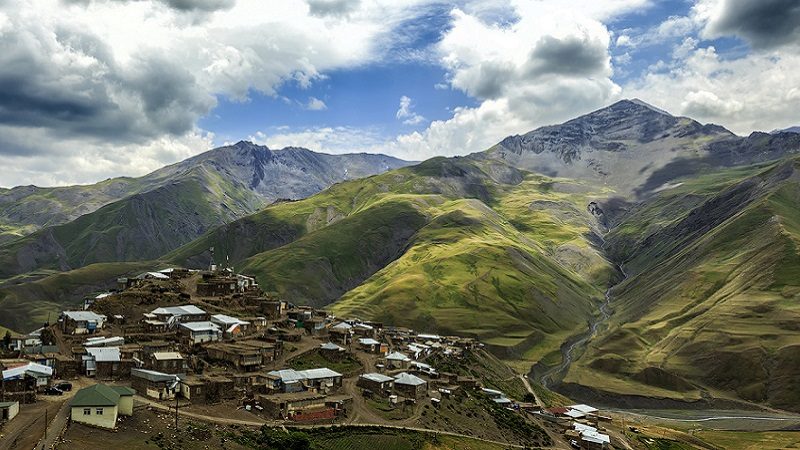
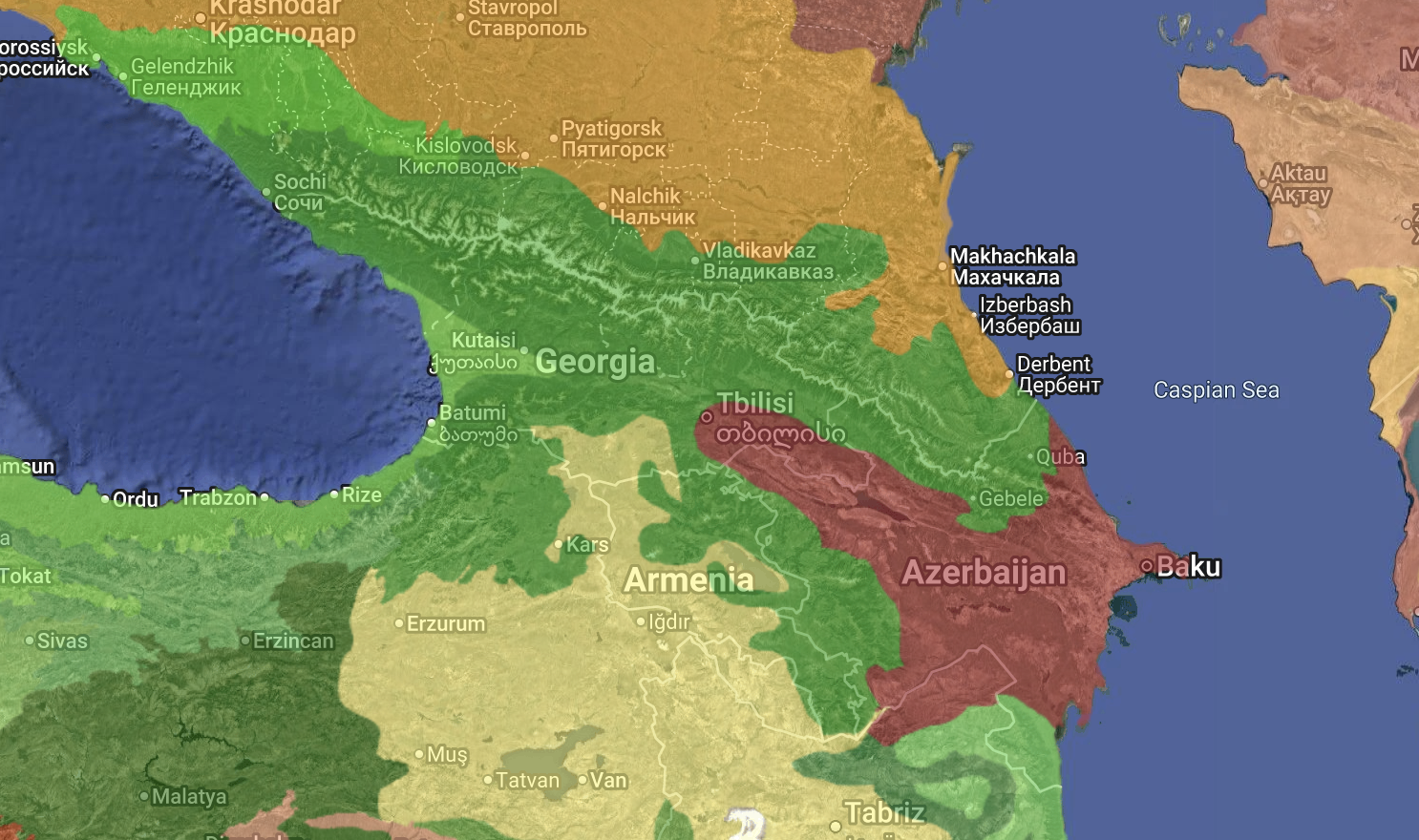
According to the National Wildlife Federation, ecoregions are areas that have similar climate, geology, and soils, which is also considered as borders that are made by Mother nature. These factors also can determine what animals and plants can live in the ecosystem. It doesn’t matter if some areas are far apart from each other, if they are in the same ecoregion, we can predict that they have similar species.
In the early 1960’s the term was used for forest classifications, later starting from the 70's it was used for biome and biogeographic classifications. “Ecological Region” phrase was widely used throughout the 20th century by biologists and zoologists to define specific geographic areas in research.
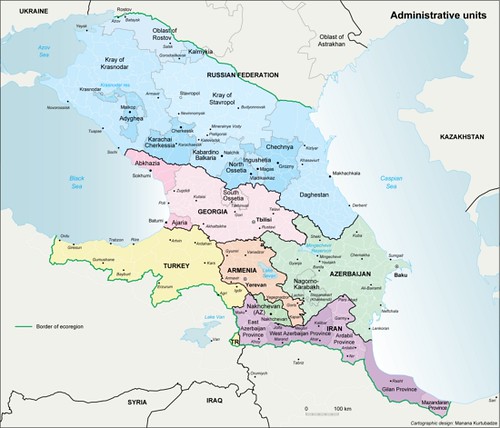
Now before getting deep into Azerbaijan’s ecoregions, I would like to tell a few things about Caucasus itself. Now where is the Caucasus located? The region is in between of Black and Caspian Sea, at the convergence of Europe and Asia. It has two parts; The Greater Caucasus and the Lesser Caucasus. The Greater Caucasus range is around 1,200kms, from Taman Peninsula to Absheron Peninsula. The land north of the Greater Caucasus is called Ciscaucasia, and the land south is called Transcaucasia.
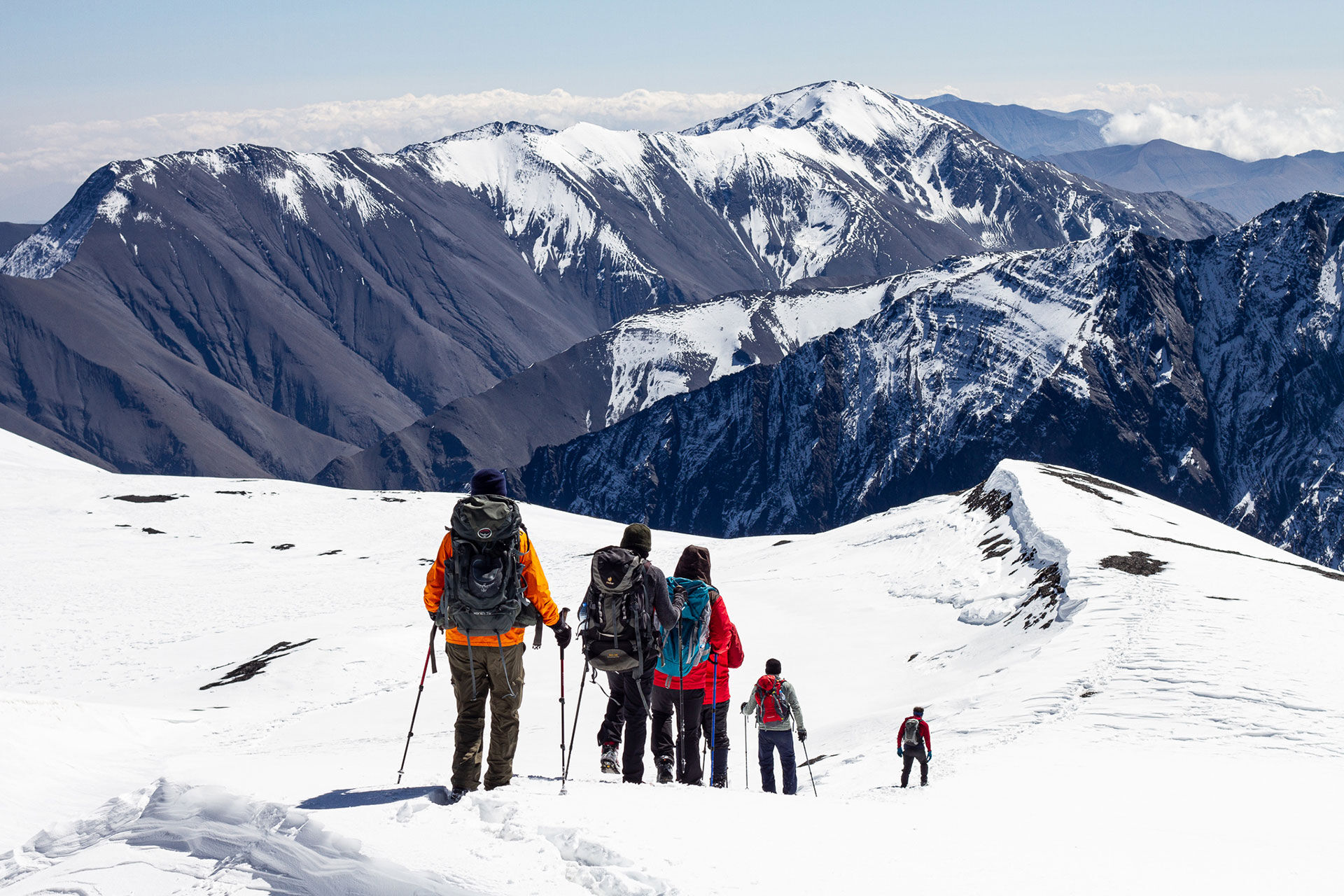
The region is known for its diverse culture, ethnic groups and history; There are over 50 peoples with different languages from four languages; Caucasian, Indo-European, Turkic and Semitic. In the dusty history pages it says that Caucasus played a big role in migration from Central and Southwest Asia and also as a buffer zone between rival empires.
But what exactly does Caucasus mean and where did the term itself come from? As a caucasian and mythology fan myself I’ve found quite interesting origins that surprised me a bit. So, according to Scythian Origin the Roman writer Pliny the Elder noted that the name derives from a Scythian word akin to kroy-khasis, meaning "ice-shining" or bright with snow, which describes high peaks of Caucasus. The earliest etymon of the name Caucasus comes from Kaz-kaz, the Hittite designation of the "inhabitants of the southern coast of the Black Sea. Also Persian poet Firdowsi in his Shannameh referred to the Caucasus mountains as Kōh-i Kāf, which means “Qaf mountain”. Interestingly, in Nakh language (which is spoken in north-east Caucasus by Chechens) it was also called back then Kov Kas, which means “gateway to steppe”. Because, when you look at the map of Caucasus, you can easily catch the meaning: From north-east to south-east, Caucasus transfers into actual deserts and steppes in Azerbaijan. That sudden change between dazzling panoramas with green forests and hot, almost Savannah shaped landscape with crazy winds on the coast indeed leaves some marks in the human brain, no doubt.
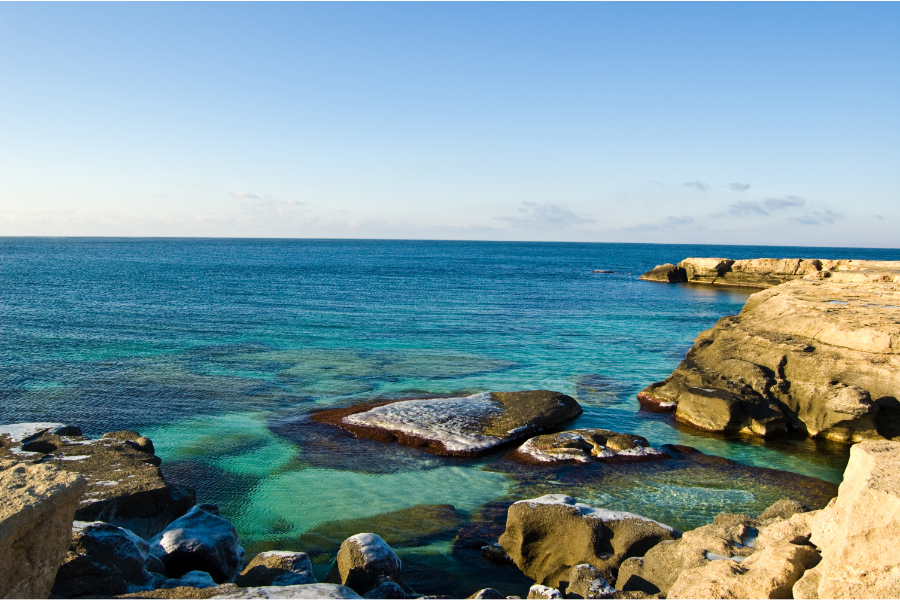
Well, let’s say we just arrived in Azerbaijan, also known as the Land of Fire. What's going to catch our attention first? Of course, it is the Caspian Sea shore with the beautiful capital city- Baku. After that we will notice something interesting: The powerful winds coming from the Sea which could throw you away in a bit. Oh! Then we get it now - We are very welcomed to the city of Strong Winds. Because of the open shaped landscape of Absheron peninsula, there is nothing more free and mighty (sometimes 104-144km/h) than Khazri and Gilavar winds anyway. Also let’s not forget about our iconic Caspian seals which are…Quite rare to see over there, honestly.
Then, what’s next? Well, are we ready for another fabulous trip to the Greater Caucasus in the north-east of Azerbaijan? The change between deserts to greenest forests and high peaks will amaze you, rest assured. The desert shaped landscapes are gathered under the name of Azerbaijani shrub deserts and steppes. 70% of the area belongs to the Land of Fire with the rest reaching into Southeast Georgia and Northwest Iran. As we already can see from the name, It’s for sure the driest part of the Caucasus. It has an exceptional level of biodiversity; wolves, jungle cats, imperial eagles, and griffon vultures. The steppe is now home to the world’s largest population of goitered gazelle; distinguished by elegant lira-shaped horns, the gazelle are a national symbol of beauty and grace. Oh and please, if an azerbaijani calls you “my dear gazelle”, no need to panic, it’s a very beautiful compliment.
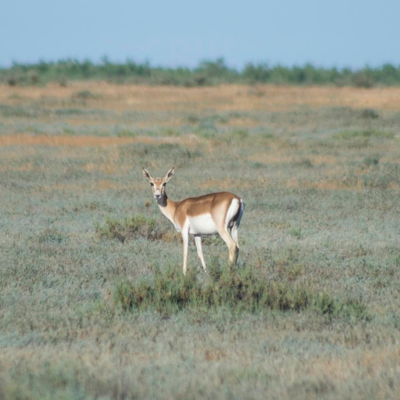
Now let’s look up a bit and observe the Greater Caucasus mixed forests. We will find one of the highest levels of endemism in the temperate world. Bearded vultures, Caucasian parsley frogs, Caucasian salamanders, and insects such as the Apollo butterfly are all representatives of this region’s magnificent array of life. In Azerbaijan, this ecoregion covers the northern mountainous parts of the country, where dense forests of beech, oak, and hornbeam thrive alongside rushing rivers and deep valleys. These forests provide shelter for rare wildlife, including the East Caucasian tur, a wild mountain goat native to the Caucasus. Together, these diverse habitats make northern Azerbaijan an important refuge for unique species and a vital part of the Caucasus’s natural heritage.
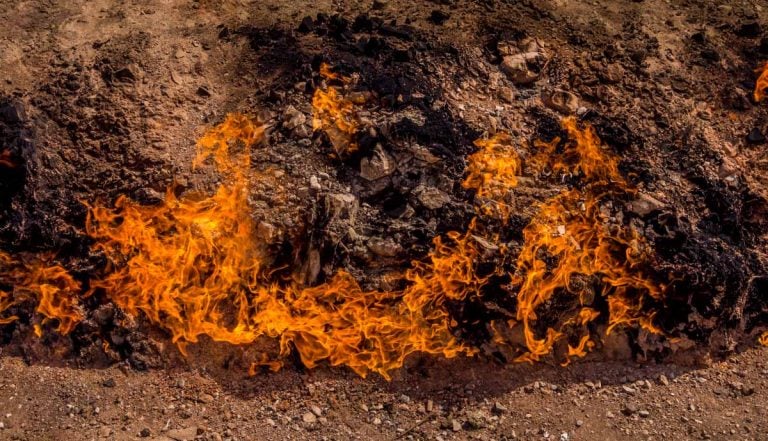
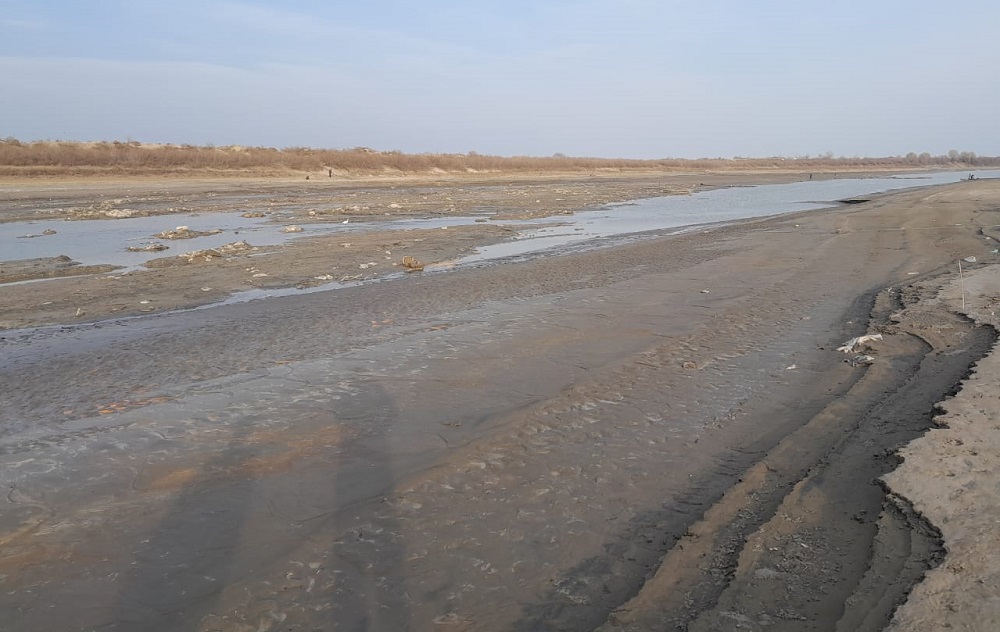
When we start talking about nature and its striking elements, sometimes we forget to mention about us - a valuable, at the same time quite responsible part of the world as a conscious being. Just as Mother Nature decided how to shape Earth before us, we, too, became a big, chunky part of “reshaping” it as time has passed. During this “reshaping” period in Azerbaijan people logged, burned, destroyed so many astonishing and quite valuable forests, hunted down rare species to extinction. Then they fought over small lands, built new cities, then there came oil. According to Caucasian Knot 25, till this day damage to pipelines still leads to pollution of the Caspian Sea. Illegal logging causes massive forest destruction all over the Caucasus. Drying Kura and Araz rivers carry chemical waste all the way to the sea along with it.
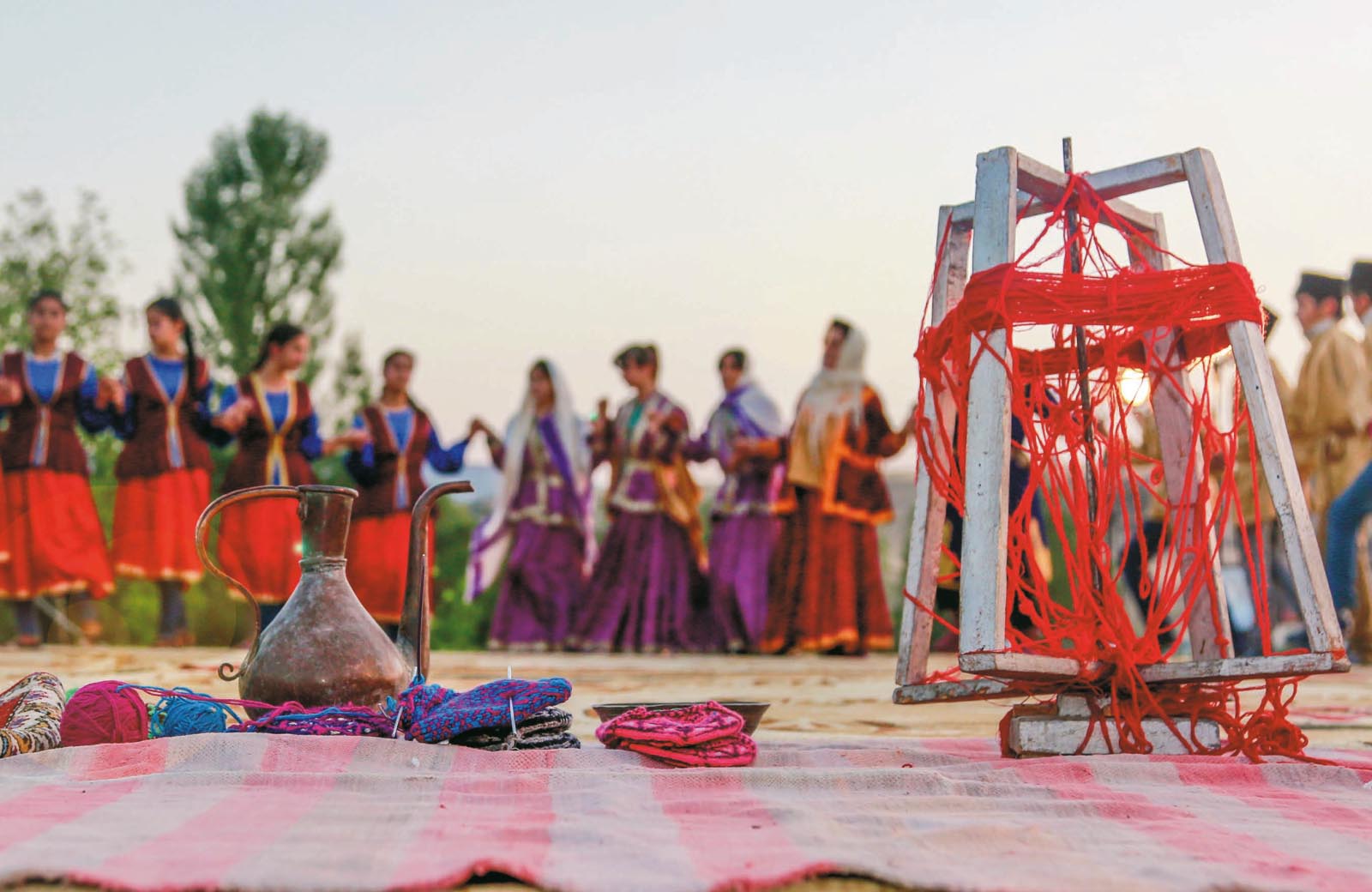
But this story must not end in sorrow. We still have the chance to reshape our relationship with nature, this time with care rather than control. Protecting endangered species, restoring damaged forests, reducing industrial pollution, and managing our water resources responsibly are all steps toward a healthier future. Stronger environmental laws and greater public awareness can help turn small actions into lasting change. After all, we are not merely inhabitants of this land; we are also responsible for the legacy we leave behind. Perhaps the future of Azerbaijan’s nature depends on whether we learn to see it not as a resource to consume, but as a living world we share.
Subtitle:
Exploring the Diverse Landscapes, Unique Wildlife, and Environmental Challenges of the Azerbaijan as a part of Caucasus
Resources:
● https://ecoregions.appspot.com/
● https://www.eng.kavkaz-uzel.eu/articles/76312
● https://www.caucasus-naturefund.org/ecoregion/
● https://www.oneearth.org/ecoregions/azerbaijan-shrub-desert-and-steppe/
● https://www.mdpi.com/2073-4441/15/14/2574
Further reading:
● Reconnecting to place for planetary health
Interested to start a nature learning space in your town or school?
● https://ark.greensteps.me/page/create-community/
● https://ark.greensteps.me/page/commons-mentor/
Subscribe to newsletter:
▪ https://www.greensteps.me/membership.php
